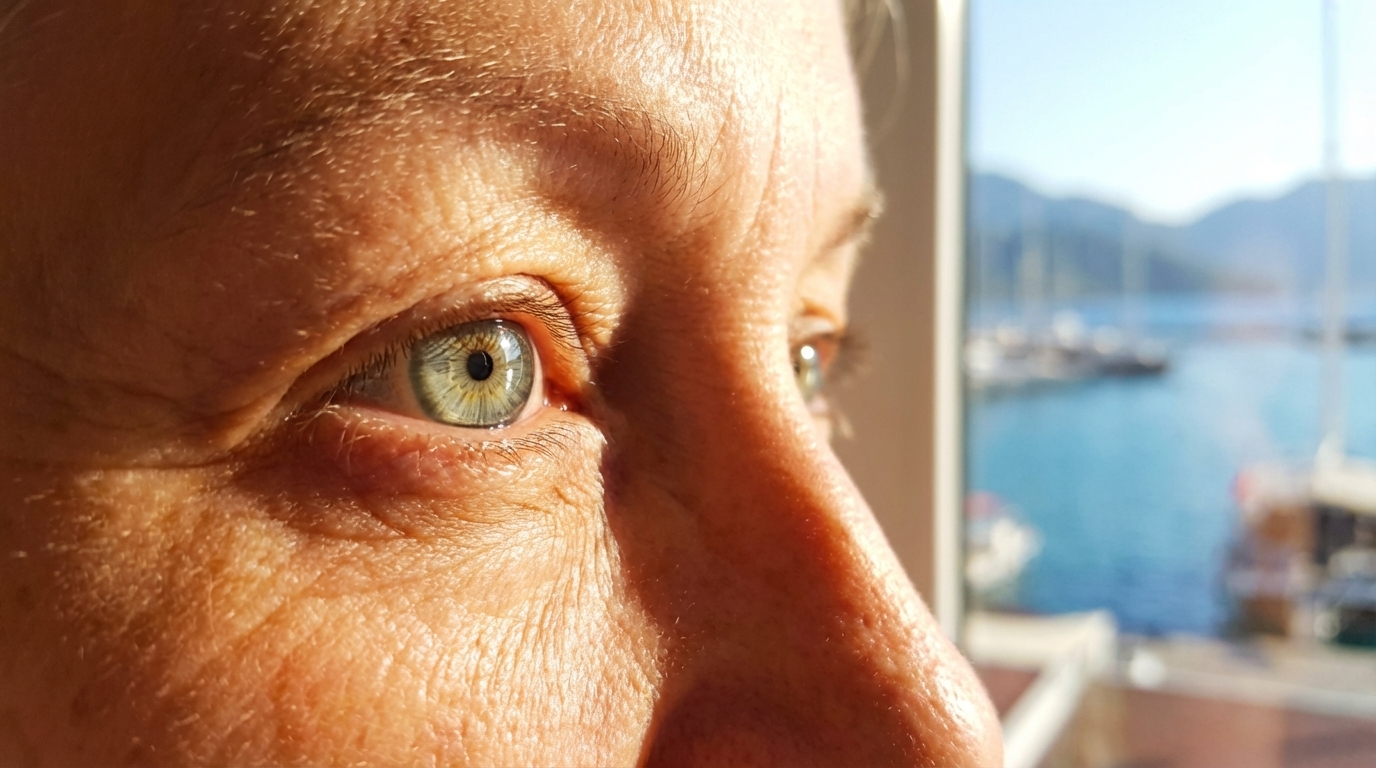
A Clearer View of Life After Cataract Surgery in Fethiye
Hello, I am Op. Dr. Gönül Fariz. For over 15 years, I have been serving as an ophthalmologist in my clinic in beautiful Fethiye. Witnessing my patients regain clear, vibrant vision is the greatest joy of my profession. Cataract surgery is one of the most successful and effective operations in modern medicine. With a success rate of over 98%, this procedure is completed in just 15-20 minutes and significantly improves quality of life. However, the success of the surgery is as critically important as the proper management of the post-operative recovery process. In this article, we will discuss the step-by-step recovery process after cataract surgery, based on the protocols we follow at our Fethiye clinic.
Immediately After Surgery: The First Few Hours
Cataract surgery is a painless procedure, usually performed under local anesthesia. After the surgery is complete, your eye will be covered with a bandage or a protective shield to protect it from external factors. Here is what you can expect in this initial phase:
- Hospital Stay: After an observation period of about 1-2 hours post-surgery, you will be discharged on the same day. It is important to have a companion with you to ensure a safe return home.
- Initial Sensations: It is normal to feel a slight stinging, watering, or a gritty sensation in your eye. These feelings may emerge as the anesthesia wears off and usually subside within a few hours.
- Rest: The first thing you should do when you get home is rest. Avoid activities that could strain your eye (like watching TV or reading) and rest in a dimly lit room if possible.
The First 24-48 Hours: The Most Critical Period of Healing
The foundation of your recovery is laid in these first two days. Strictly following your doctor's instructions during this period minimizes the risk of infection and accelerates healing.
What to Do:
- Eye Drops: You must begin using the prescribed antibiotic and anti-inflammatory eye drops at the specified times and intervals. Always wash your hands with soap before applying the drops.
- Protective Eyewear: Your eye patch will be removed at our clinic, usually during your check-up the next day. Afterwards, you must wear the provided transparent protective shield, especially while sleeping, for at least 1 week. This prevents you from unconsciously rubbing or scratching your eye.
- First Check-up: The day after your surgery, your first follow-up appointment will take place at our Fethiye clinic. During this visit, we will assess the condition of your eye and provide information about your healing progress.
What to Avoid:
- Rubbing the Eye: This is the most dangerous action that can harm the healing eye. Avoid it at all costs.
- Water Contact: For the first week, be careful not to get water or soap in your operated eye. Keep your eye closed while showering or use protective eyewear. When washing your hair, tilt your head back.
- Bending and Heavy Lifting: Avoid sudden movements, bending forward, and lifting objects heavier than 5 kilograms, as these can increase intraocular pressure.
The First Week: Regaining Your Vision
After the first 48 hours, you will start to notice a significant improvement in your vision. However, it will take a little more time for your vision to fully stabilize. Here's what to pay attention to during this week:
- Blurry Vision and Light Sensitivity: It is normal to experience fluctuations in your vision, blurriness, and sensitivity to light for the first few days or weeks after surgery. This will gradually decrease as your eye heals and adjusts to the new lens. Wearing sunglasses when outdoors will help you feel more comfortable.
- Returning to Daily Activities: You can start light activities like reading, using a computer, and watching television, but without straining your eyes.
- Driving: You can start driving when your vision is clear and you feel confident (usually 3-4 days after surgery). However, you must consult me, your Fethiye eye doctor, for approval on this matter.
From Week Two to Month One: Towards Full Recovery
During this period, the healing process accelerates, and you can almost completely return to your daily life. The sensitivity and stinging sensation in your eye will have largely disappeared.
What to Keep in Mind:
- Continuing Eye Drops: You must continue to use your eye drops as prescribed by your doctor. The treatment usually lasts for 4 weeks, with the dosage gradually reduced.
- Physical Activities: You can start light exercises (like walking). However, you should avoid activities that carry a risk of infection, such as swimming, saunas, and Turkish baths, as well as contact sports, for at least 1 month.
- Need for Glasses: About 1 month after surgery, your eye's prescription will fully stabilize. After a detailed eye examination in Fethiye at this stage, reading glasses may be prescribed if necessary. The vast majority of our patients who receive trifocal (smart lenses) do not need glasses.
Frequently Asked Questions (FAQ)
Will I feel pain after cataract surgery?
Significant pain is not expected during or after the surgery. A mild stinging, burning, or foreign body sensation is normal within the first 24 hours. These sensations usually resolve on their own or with simple pain relievers. If you experience severe, persistent pain, you should contact us immediately.
When will I start to see clearly after the surgery?
Most patients notice a significant improvement in their vision within the first 24-48 hours after surgery. However, achieving final, clear vision can take 3-4 weeks as the eye fully heals and adapts to the new lens. This timeline can vary from person to person.
How long do I need to use the eye drops?
Eye drops are vital for preventing infection and promoting healing. The typical duration of use is 4 weeks. At our clinic in Fethiye, we create a personalized drop schedule for each patient, and adhering to this schedule is crucial for your recovery.
Can I wear makeup after the surgery?
To prevent the risk of infection, you should avoid applying makeup around the eye area (such as mascara, eyeliner, and eyeshadow) for at least 2 weeks. There is no issue with applying makeup to other parts of your face.
When can my second eye be operated on?
If you have cataracts in both eyes, there is usually a waiting period of at least 1-2 weeks between the two surgeries. This allows the first operated eye to heal sufficiently and stabilize. The timing of the second surgery is planned according to the recovery progress of the first eye.
Conclusion: A New Beginning with Healthy Eyes in Fethiye
Cataract surgery is a miracle of modern technology. However, realizing the full potential of this miracle is directly related to the care you take during the post-operative period. As Op. Dr. Gönül Fariz, my team and I are with you every step of the way at our clinic in Fethiye, from pre-operative briefing to post-operative follow-up. As a trusted address for ophthalmology in the Muğla region, our priority is for you to achieve the clearest vision as quickly as possible. Do not hesitate to contact us with any questions or concerns you may have about your recovery. I wish you days filled with healthy and clear vision.
Medical review
Reviewed by: Op. Dr. Gönül Fariz · March 16, 2026

Op. Dr. Gönül Fariz
Göz Hastalıkları Uzmanı
![Smart Lens (Trifocal) Treatment: Costs in Fethiye Turkey [2026]](https://firebasestorage.googleapis.com/v0/b/gonulfariz.firebasestorage.app/o/blog-covers%2F1768598049660-hf_20260116_210740_0edc32f3-1ac0-4242-8978-5cfdad2175bb.webp?alt=media&token=e8fcb980-c913-46c0-be7c-4beab984d1c5)