What is Eyelid Surgery (Blepharoplasty) and How is it Performed?
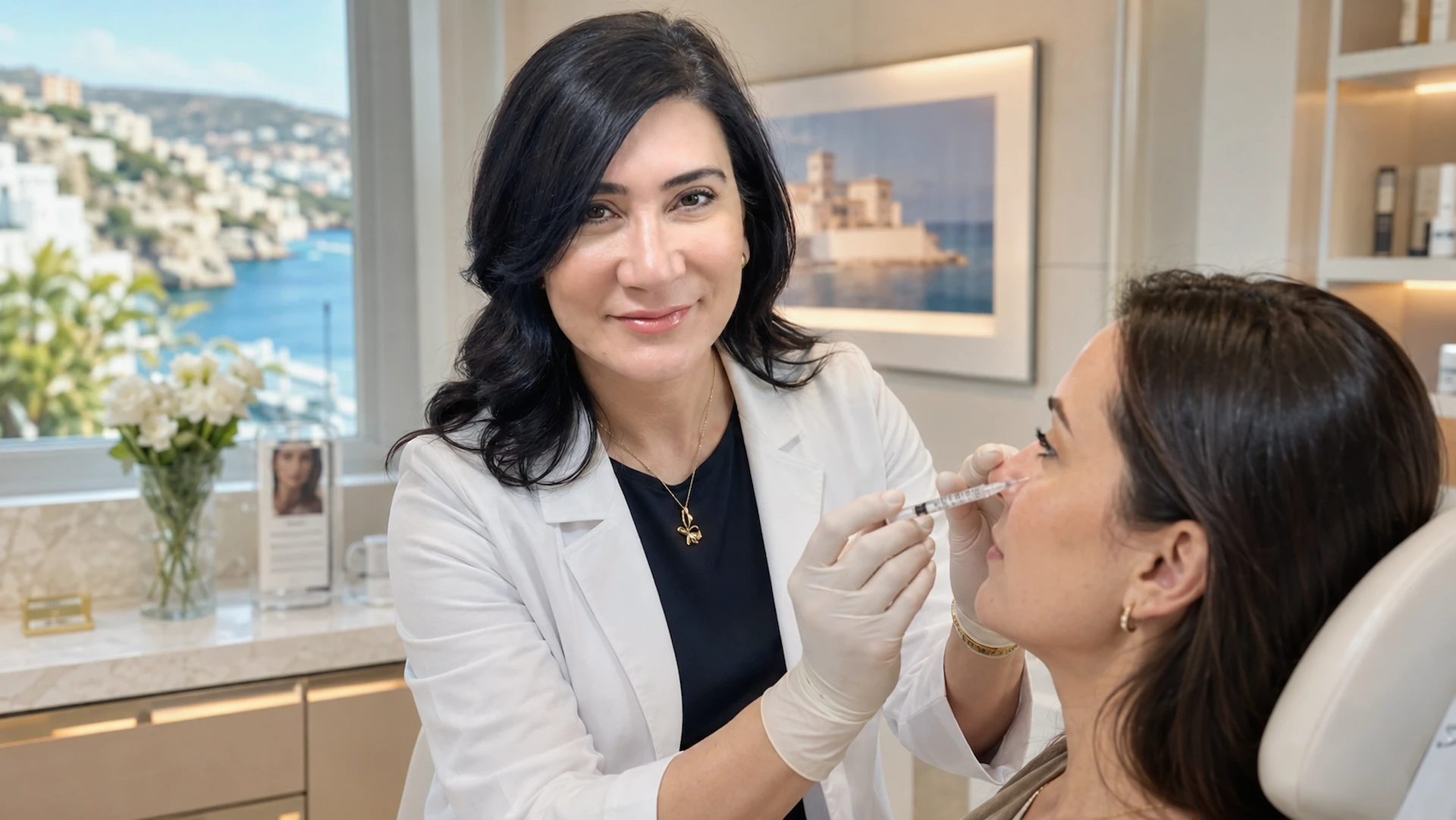
Eyelid surgery, medically known as blepharoplasty, is a highly precise surgical procedure designed to remove or reposition excess skin, weakened muscle tissue, and herniated fat pads from the upper and lower eyelids. The delicate skin around the eyes is the thinnest anatomical structure on the human face, making it the very first area to display the inevitable signs of aging, chronic stress, and environmental damage. Sagging eyelids, primarily caused by genetic predispositions, prolonged sun exposure, and the relentless pull of gravity, not only create a permanently exhausted and aged appearance but can also severely obstruct the upper visual field, turning an aesthetic concern into a functional medical issue. Frequently requested within the expertise of our Fethiye ophthalmologist clinic, this safe and transformative operation is typically performed under local anesthesia. The procedure takes approximately 45 minutes for the upper eyelids and between 60 to 90 minutes when the lower eyelids are included. Thanks to advanced microsurgical techniques, the micro-incisions are strategically hidden within the natural folds of the eyelid, ensuring that no visible scarring remains once the healing process is complete.
The primary objective of blepharoplasty extends far beyond mere cosmetic enhancement; it fundamentally aims to eliminate the heavy sensation caused by drooping eyelids (ptosis or dermatochalasis) and relieve the chronic tension headaches often associated with compensating for restricted vision. According to recent clinical studies and medical statistics, an impressive 85% of patients who undergo a successful blepharoplasty report not only a significant boost in their aesthetic self-confidence but also a measurable improvement in their functional visual quality. Utilizing the most current and minimally invasive surgical techniques in the field of Mugla eye diseases and oculoplastics, Op. Dr. Gonul Fariz brings over 15 years of dedicated professional experience to each procedure. She meticulously customizes the surgical plan to perfectly match the patient's unique facial anatomy, eyebrow arch, and tear gland dynamics. Patients are safely discharged to return home on the very same day of the surgery, following just a brief 1-2 hour resting period in the clinic. Opting for local anesthesia completely eliminates the unpleasant drawbacks associated with general anesthesia, such as postoperative nausea, grogginess, and extended recovery times.
Which Season is More Advantageous for Eyelid Surgery in Fethiye?
In the realm of aesthetic surgery, the comfort of the recovery period is just as crucial as the success of the surgical intervention itself, and the influence of seasonal factors on this process cannot be ignored. When considering eyelid surgery treatment in Fethiye, one of the most frequently asked questions by patients is determining the absolute best time of year for the operation. From a strict medical and anatomical standpoint, eyelid aesthetics is a highly versatile procedure that can be safely and effectively performed 12 months a year, across all four seasons; there are no technical surgical restrictions or contraindications based on the calendar. However, when evaluating factors such as postoperative wound healing, edema reduction, and the absolute necessity of protecting the newly healing, ultra-thin eyelid skin from ultraviolet (UV) rays, certain seasons undeniably offer extra comfort. Fethiye's characteristic Mediterranean climate boasts sunny and warm days for a vast majority of the year. Therefore, the autumn and winter months, when the intensity of the sun's rays and extreme temperatures naturally subside, make the postoperative care routine significantly more manageable and less demanding for the patient.
The most critical phase of the recovery journey is the initial 7 to 10-day period, during which active cellular repair and tissue regeneration take place. During this early healing phase, mild to moderate edema (swelling) and superficial bruising naturally occur around the eyelids. Exposing these newly forming, delicate skin cells directly to the sun's harmful UVA and UVB rays can trigger hyperpigmentation, resulting in permanent dark spots or causing the surgical scars to heal darker than the surrounding skin. The relatively cooler period spanning from October through the end of March greatly simplifies sun protection due to the significantly lower environmental UV index. Patients can easily achieve maximum protection simply by wearing thick-framed sunglasses and a standard wide-brimmed hat when stepping outdoors. Furthermore, the reduction in sweating during cooler weather helps maintain a dry and sterile surgical site, thereby minimizing the risk of potential bacterial infections to an absolute minimum.
The Benefits of Winter and Autumn for Eye Aesthetics
Aesthetic interventions performed during the winter and autumn months positively influence the speed of recovery, primarily due to the human body's natural thermoregulation mechanisms. Cold air acts as a natural vasoconstrictor, meaning it causes the superficial blood vessels to narrow, which directly reduces the leakage of intercellular fluid into the surrounding tissues. According to medical data, when the ambient temperature drops below 20 degrees Celsius, the body's capacity to retain post-surgical edema is approximately 30% lower compared to the hot summer months. This natural constriction effect functions almost exactly like a continuous cold compress, allowing postoperative bruising and swelling to dissipate much more rapidly. Patients who undergo a comprehensive eye examination in Fethiye and decide to schedule their operation during November, December, or January find that they navigate the crucial first 48-hour recovery window with much lighter symptoms, experiencing a pain-free and highly comfortable healing process.
In addition to these clear physiological advantages, the autumn and winter seasons naturally align with the social isolation requirements that often accompany facial aesthetic surgeries. Compared to the highly active and outdoor-focused social life of summer, people naturally spend more time indoors and in the comfort of their homes during the winter. For patients who prefer to step back from their social engagements for the first week to rest and heal in privacy, the winter season provides the perfect, socially acceptable excuse to stay home and focus entirely on recovery. Following the high-precision blepharoplasty operations performed by Op. Dr. Gonul Fariz, patients typically have their sutures removed at the end of the 7th day. By the time they reach the 10th to 14th day post-operation, they can fully return to their normal daily routines and professional lives, featuring a completely refreshed and rejuvenated appearance with absolutely no lingering signs of surgical intervention or bruising on their face.
Can Eyelid Surgery Be Performed During the Summer Months?
The commonly heard phrase "aesthetic surgeries should not be done in the summer" is an urban legend lacking any scientific basis, stemming entirely from older eras when adequate air conditioning and advanced sun protection were unavailable. Thanks to the exceptional facilities provided by modern medicine and highly advanced UV protectants, undergoing eyelid surgery during the summer months is completely safe and is, in fact, frequently preferred. Many local residents living in Fethiye, as well as domestic and international patients visiting the region for their summer holidays, actively choose to utilize their annual leave to schedule their operations during this season. However, patients who opt for summer surgery must strictly adhere to very specific and uncompromising postoperative rules. The most critical of these is the absolute restriction regarding the sea and swimming pools. To ensure that the surgical incisions are fully epithelialized, closed, and resilient against potential bacteria found in seawater or chlorinated pools, swimming is strictly prohibited for the first 21 days (exactly 3 weeks) following the operation. Additionally, applying a 50+ SPF broad-spectrum mineral-filtered medical sunscreen directly over the healed incision line is mandatory whenever stepping outside.
Today, the widespread availability of air-conditioned environments in homes, workplaces, and vehicles makes it incredibly easy to spend the recovery period in an ideal, cool room temperature, completely unaffected by the scorching summer heat. Patients who select the summer months for their Fethiye eyelid surgery treatment can confidently resume their social lives starting from the fourth day, provided they wear the 100% UV-blocking, wrap-around medical sunglasses recommended by their physician. The ultimate success of the healing process is not dictated by the season itself, but rather by the patient's strict compliance with postoperative care instructions. As long as the patient avoids direct sun exposure between 11:00 AM and 3:00 PM—when the sun's rays reach the earth at their steepest and most damaging angle—and maintains conscious sun protection, the aesthetic outcomes and scar quality of surgeries performed in the summer are in no way inferior to those performed in the winter.
Golden Rules to Accelerate the Post-Operative Recovery Process
If achieving a flawless and permanent aesthetic result is half dependent on the surgeon's skill and experience, the other half relies entirely on the patient's meticulous adherence to postoperative care instructions. The foremost rule that accelerates healing and reduces the risk of complications to zero is the correct and effective application of cold compresses. For the first 48 hours immediately following the surgery, patients must place ice gels over a sterile cloth onto their closed eyelids for 15 minutes every waking hour. This simple yet vital step effectively halts capillary bleeding and prevents the formation of bruising by an impressive 80%. The second golden rule pertains to the sleeping position; it is absolutely essential that patients sleep on their backs for the first 5 nights, elevating their heads with two or three pillows to maintain a 45-degree angle above heart level. Gravity plays a crucial role here, swiftly draining the lymphatic fluid and edema that tend to pool in the facial region downward, ensuring the patient wakes up without a feeling of heaviness or swelling in their eyes.
The third critical rule is the strict avoidance of any physical exertion that could spike intracranial or intraocular pressure. For the entire first week, heavy sports, the use of fitness equipment, lifting heavy bags or objects, sudden bending forward, and straining are strictly prohibited. Such actions can place undue tension on fresh sutures and trigger micro-hemorrhages beneath the skin. Fourthly, for rigorous infection control, the broad-spectrum antibiotic eye drops and ophthalmic ointments prescribed by Op. Dr. Gonul Fariz must be used consistently, morning and night, for exactly 7 days without interruption to support tissue repair. The final and most fundamental rule revolves around hygiene; until the sutures are removed and explicit medical clearance is given, tap water must never touch the eyes or the surrounding area, the surgical site must be kept impeccably clean, and absolutely no cosmetic concealers, foundation, or makeup products should be applied to the region.
Why Choose Op. Dr. Gonul Fariz and the Fethiye Location?
The anatomy of the eye and its surrounding region features the thinnest skin, the most complex muscle arrangement, and an incredibly delicate neurovascular network in the entire human body. Directly beneath the eyelid lie critical structures that directly impact visual function, including the cornea, lacrimal (tear) glands, extraocular muscles that control eye movement, and the pathways leading to the optic nerve. Because of this profound complexity, blepharoplasty and all periorbital aesthetic surgeries fall within the true domain of oculoplastic specialist ophthalmologists—doctors who can microscopically analyze eye anatomy and fully grasp the functional mechanics of the region, far beyond the scope of standard plastic surgery. With over 15 years of dedicated oculoplastic surgical experience and thousands of successful operations performed in the Fethiye location, Op. Dr. Gonul Fariz is widely recognized as one of the most reliable, ethical, and visionary physicians in the field of Mugla eye diseases. Rather than using generic, one-size-fits-all surgical templates, she meticulously examines each patient's facial asymmetries, tear film quality, and mimetic muscle structure to design a completely unique and customized surgical map.
During the comprehensive preliminary examination conducted at our state-of-the-art clinic in Fethiye, potential postoperative results and the anticipated facial transformations are clearly communicated to the patient through detailed digital analysis. Utilizing precision microsurgical instruments and high-tech radiofrequency electrocautery devices, tissue trauma is minimized to the absolute lowest level, and bleeding is reduced to near zero. On the day of surgery, patients are welcomed into a sterile, peaceful, and reassuring clinical environment. The unique natural beauty and stress-free atmosphere of the Mediterranean coastal region significantly lower surgical anxiety, helping patients recover psychologically at a much faster rate. Regardless of the seasonal conditions, partnering with an experienced physician who applies the correct technique to the exact tissue with precise measurements eliminates future risks such as incomplete eyelid closure (lagophthalmos) or severe asymmetry, ultimately gifting you a permanently youthful, natural, and vibrant appearance for a lifetime.
Frequently Asked Questions About Fethiye Eyelid Surgery
If I undergo eyelid surgery during Fethiye's hot summer months, will my stitches open or dissolve?
No, hot weather or high humidity will absolutely not cause medical sutures to open, melt, or loosen. The medical suture materials exclusively utilized by Op. Dr. Gonul Fariz for all aesthetic operations in Fethiye are completely resistant to heat and moisture. The only precaution required during the summer is to keep the surgical site dry and clean with sterile gauze to prevent any potential infection caused by excessive sweating.
When can I swim in the sea or a pool after an upper eyelid operation at your Fethiye ophthalmologist clinic?
To ensure that the surgical incision line has completely healed, internal tissues have secured their integrity, and to protect against potential bacteria in seawater or pool chlorine, you must wait exactly 21 days (a full 3 weeks). At the end of the 21st day, following a final doctor's approval, you can comfortably swim in the unique coastal waters of Fethiye and resume all aquatic activities.
What SPF factor cream should be used to go out in the sun after blepharoplasty (eyelid aesthetics), and when should it be started?
You can begin using sunscreen on the 7th day after surgery, exactly when your stitches are removed. In high-sun regions like Fethiye, you must apply a 50+ SPF medical sunscreen containing mineral filters like zinc oxide or titanium dioxide directly over the newly healing scar. This routine should be strictly followed 20 minutes before stepping outdoors for at least 6 months.
Can I travel by plane from Fethiye to another city or country after drooping eyelid surgery?
Yes, there is absolutely no medical objection to air travel just 48 hours after your eyelid surgery, once the majority of the initial swelling has subsided. The changes in cabin air pressure during a flight will not harm the superficial eyelid sutures, the cornea, or the operative site. Wearing your sunglasses throughout the journey provides sufficient protection.
Does my risk of dry eye increase if I have eyelid aesthetics during autumn or windy weather?
While seasonal autumn winds can normally trigger mild dry eyes, you will not experience permanent dryness due to the operation itself. By employing advanced surgical techniques, Op. Dr. Gonul Fariz meticulously avoids any interference with the tear glands or tear ducts. Utilizing the prescribed protective artificial tear drops during the first 10 days of your recovery provides all the necessary protection against the wind.
Medical review
Reviewed by: Op. Dr. Gönül Fariz · May 7, 2026
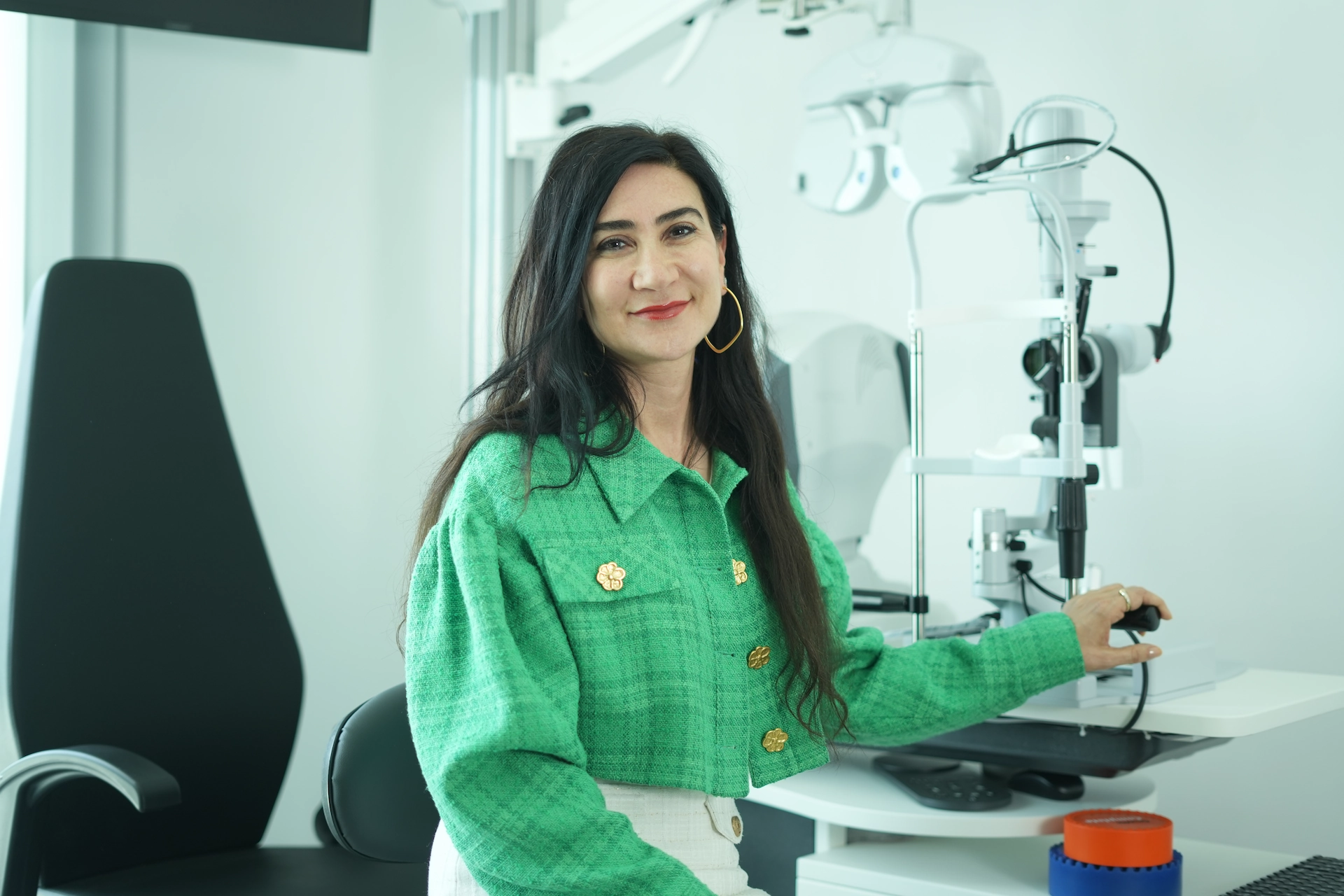
Op. Dr. Gönül Fariz
Göz Hastalıkları Uzmanı